







Search Results for: fermentation consistency
Analysis of Coffee Bean Fermentation Principles and Processing Techniques: From Microbial Reactions to the Key to Flavor Consistency
Fermentation plays an irreplaceable role in coffee processing, directly influencing the final flavor profile and sensory quality of the coffee. How sugars and acids break down under controlled conditions, how microorganisms participate in the process, and why fermentation consistency matters so much for market partnerships—these are all key to understanding coffee quality. Drawing on the hands-on experience of Finca Black Mountain in Guatemala and Capricornio Coffee in Brazil, and incorporating the research perspective of agricultural engineering PhD Mauricio Villegas, this article systematically examines the mechanisms of coffee fermentation, common misconceptions, and methods for achieving reproducibility. Whether you are a coffee professional or a devoted enthusiast, you will gain a clear understanding of the relationship between fermentation and coffee quality. [more…]
A Complete Guide to Anaerobic Fermentation of Coffee Beans: Processing Fundamentals, Six Key Control Factors, and Practices for Quality Consistency
Fermentation is a core step in coffee processing that shapes flavor direction. It is driven by microorganisms such as yeasts and bacteria, which convert sugars and acids within the coffee cherry into acids and alcohols. Good, controlled fermentation can highlight a coffee's varietal characteristics, while uncontrolled fermentation may bring negative flavors reminiscent of spoilage and spoiled wine. Starting from the basic principles of fermentation, this article sorts out the differences between the two pathways—aerobic and anaerobic—and, around six major factors—coffee cherry quality, cleanliness, oxygen, microorganism and yeast types, time and temperature, and data recording—explains how to improve the consistency and repeatability of fermentation. It also emphasizes that coffee quality is largely fixed during the growth stage, and the role of fermentation is to extract and preserve excellent characteristics rather than to elevate quality out of thin air. The article also introduces Front Street Coffee's ongoing attention to knowledge related to fermentation and processing methods, for the reference of coffee enthusiasts. [more…]
Hartmann Coffee Beans Red Wine Processing Brewing Guide: V60 Parameters and Fermented Wine Aroma Presentation
The wine process, also known as the controlled fermentation method or lactic/acetic fermentation method, was developed by a team led by Felipe Sardi of the United States, whose members include biological scientists and ecologists. Strict standards are enforced during picking: underripe cherries below 2%, defective beans below 3%, and floating beans below 5%. This processing method is divided into two paths: aerobic acetic fermentation and anaerobic lactic fermentation. The former has a cleaner and brighter acidity with citric notes; the latter has a rounder mouthfeel and higher body, but slightly lower cleanliness, displaying malic and tartaric acid characteristics. Batch consistency is achieved through pH monitoring. Wine-processed green beans are darker in color, with silver skin appearing wine-red or brownish-red. Front Street Coffee's Panama Hartmann is a representative example, and this article shares its pour-over parameters and flavor performance. [more…]

Analysis of the Origins of Starbucks Pike Place Blend and the Flavor Characteristics of Guatemalan Washed Beans
The birth of Starbucks Pike Place Roast coffee beans is inextricably linked to the coffee flavors of Latin American origins. This article begins with the development story of this classic blend, then traces the cultivation history and regional characteristics of Latin American coffee, focusing on the producing regions, grading system, and washed processing methods of Guatemalan coffee. It also draws on two beans from the Front Street Coffee staple series—Huehuetenango and Antigua Flor—to present a complete tasting path from variety and processing method to roasting and cupping, helping coffee enthusiasts build a systematic understanding of Latin American washed coffee. [more…]
Panama Elida ASD Anaerobic Low-Temperature Slow Natural Geisha: Four Pour-Over Brewer Methods and Flavor Comparison
Front Street recently acquired a Geisha coffee bean from Elida Estate in Panama, processed using the NATURAL-ASD anaerobic fermentation low-temperature slow sun-drying method—the same process used for this year's Panama BOP champion Geisha in the processing category. After the beans were properly rested, we tested brewing with a hollow filter cup, Ice Eye filter cup, cake filter cup, and diamond filter cup, standardizing the parameters to 15 grams of coffee, medium-fine grind, 90°C water temperature, and a 1:15 coffee-to-water ratio, recording the extraction time and flavor performance for each filter cup. Elida Estate is renowned for its sun-dried processing, and this ASD Geisha shines in fermentation aroma, juicy mouthfeel, and layered tea-like notes. Below, we share four specific brewing recipes and comparison results for coffee enthusiasts' reference. [more…]
A Complete Guide to Colombia Wine Process Coffee: From Fermentation Principles to Front Street Coffee Jiu Kui Brewing Instructions
The red wine process is an innovative green bean processing technique originating from Colombia that precisely shapes the acidity and sweetness of coffee through artificially controlled fermentation conditions. This article provides a detailed overview of the historical background, scientific principles, and specific operational procedures of this processing method, and takes an in-depth look at the origin information, flavor characteristics, and pour-over recommendations of Front Street Coffee's Colombia Nine Suns Red Wine Process coffee. Whether you want to understand the difference between acetic acid fermentation and lactic acid fermentation, or you are looking for a bean with prominent sweetness and elegant acidity, this content offers practical reference. [more…]
Front Street Yirgacheffe Natural Aricha G1 Green Beans: 2015 New Batch Flavor and Origin Analysis
Front Street Yirgacheffe Natural Aricha comes from the Gediyo region of Yirgacheffe, Ethiopia, graded G1, at an altitude of 1,900–2,100 meters, using natural processing and heirloom varieties. This lot is produced by the Kebel Aricha processing station, where about 650–700 surrounding smallholder farmers deliver ripe cherries in exchange for cash; after drying on raised beds with regular turning for four to six weeks, the pulp is removed and the beans are transported to Addis for storage, and only hulled before export to preserve quality. It is graded G1 by ECX, and the green beans perform excellently in appearance, consistency, freshness, and dry/wet aroma. The flavor profile shows light fermented wine notes, sweet orange, and honey sweetness, accompanied by pit dates, dark berries, lychee, star fruit, peach, longan and red date aroma, cocoa, and a hint of spice; the body is thick and the finish is long. At the end, the article also introduces Sasa Sestic’s Project Origin green coffee sourcing project and its practice of working with farmers and purchasing at 20% above fair trade prices. [more…]

How to Choose Beans for Single-Origin Espresso (SOE)? Medium Roast Control and Three Flavor Recommendations
SOE stands for Single Origin Espresso, referring to espresso made from beans of a single origin, and it has gained great popularity in specialty coffee circles in recent years. However, SOE beans are quite particular about roast level: roasting too dark wears away the origin's flavors, while roasting too light makes it hard to balance body and consistency, so a medium roast becomes the sweet spot. This article first clarifies the definition of SOE and the roasting approach, then, based on three stylistic directions—floral and fruity, fermented and winey, and rich and full-bodied—introduces the origin background, processing methods, and flavor performance of three beans: Front Street Coffee Strawberry Claw, Front Street Coffee Blackberry, and Front Street Coffee Brazil Queen's Estate, to help you find the cup that suits you. [more…]

A Complete Guide to Honduran Coffee Regions: Altitude, Varieties, Flavor, and Barrel-Fermentation Features
Honduras is a mountainous country in Central America, with more than three-quarters of its territory consisting of mountains and highlands. Located in the coffee-growing belt, it has an average annual temperature of 23°C and annual rainfall of 1,300 to 2,300 millimeters. Starting in the late 19th century and rising to first place in Central America in production by 2011, Honduran coffee has gone through a process from backwardness to rise. The country has six major producing regions: Copán, Opalaca, Montecillos, Comayagua, Agalta, and El Paraíso, each showing different flavors due to differences in altitude and climate. The main varieties are Arabica types such as Caturra, Catuai, and Pacas. Front Street Coffee's selected Sherry and Lychee Orchid beans are fermented in whiskey barrels and brandy barrels respectively, bringing rich vinous notes. This article provides a detailed overview of origins, varieties, processing methods, and brewing suggestions. [more…]
Two Classic Interpretations of Espresso: A Comprehensive Comparative Analysis of Latte and Americano
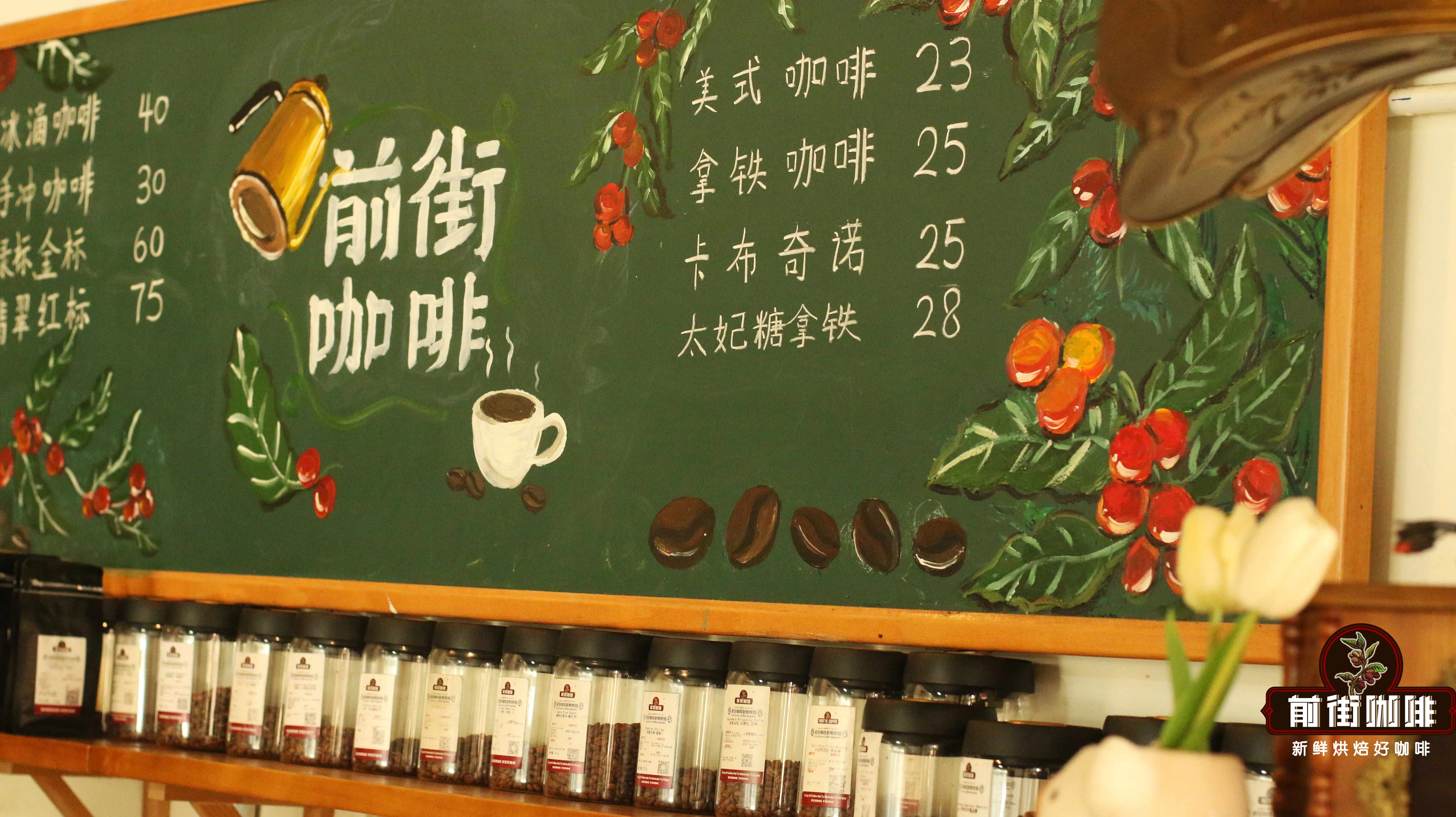
Walk into any café and you'll almost always find a latte and an Americano on the menu, yet many consumers may not be able to explain exactly how these two drinks differ. Both actually stem from espresso, with the core difference being simply that one adds milk and the other adds water. This article draws on the production practices of Front Street Coffee to systematically lay out the extraction logic of espresso, the composition of a latte, and the dilution principle behind an Americano, while also explaining the role of blend beans in ensuring consistent café output, helping coffee lovers truly understand the flavor sources and key preparation points of these two classic coffees. [more…]
The Kenyan Coffee Flavor Code: A Complete Guide to SL Varieties, K72 Washing, and Brewing Techniques
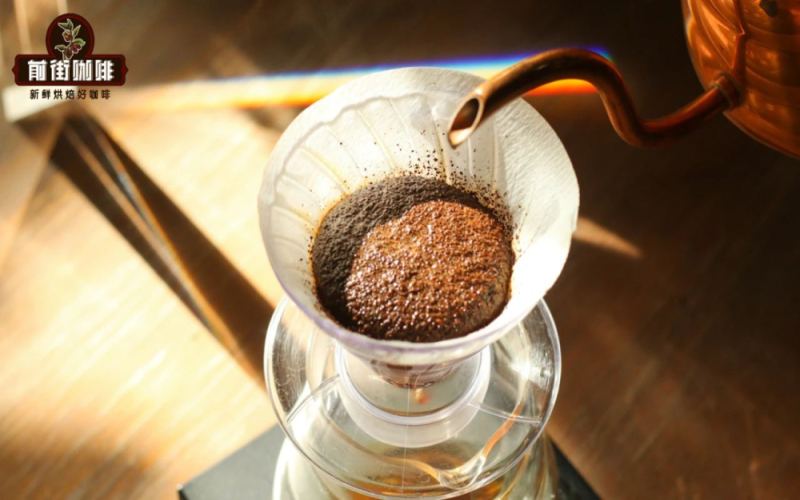
Kenyan coffee stands out in the specialty coffee world with its distinct berry-like acidity and sweet tomato notes. Front Street Coffee's Kenyan coffee beans are a perfect representation of this flavor profile. This article begins with variety selection and breeding, the K72 washing process, and the grading system, systematically explaining why Kenyan coffee can achieve a consistently high standard of flavor nationwide, and provides a complete brewing plan for these beans—including grind size, water temperature, coffee-to-water ratio, coffee dose, and staged pouring technique. Whether you are a beginner just getting to know Kenyan beans or an experienced brewer looking to refine your brewing details, you will find practical references here. [more…]
Ethiopia Aricha G1 Natural Bean Flavor Analysis: An In-Depth Introduction to the Project Origin Initiative
The Yirgacheffe Kebel Aricha processing station brings together the hard work of about 650 to 700 smallholder farmers in the surrounding area, who hand-pick ripe cherries in exchange for cash payments. After strict sorting, the fruit is spread on raised drying beds to undergo four to six weeks of sun exposure, and during the first few days it must be turned at regular intervals to prevent over-fermentation. This batch of natural Aricha was rated G1, the highest grade, by the ECX, with outstanding performance in green bean appearance, consistency, freshness, and dry and wet aroma. If you prefer bright acidity and intense berry notes, this bean is not to be missed. This article also introduces Project Origin, a green bean sourcing initiative launched by Sasa Sestic. The program works directly with farmers in impoverished producing regions, pays purchasing fees 20% higher than the Fair Trade price, and is dedicated to strengthening the connection between roasters and coffee farmers. Front Street Coffee also recommends this excellent work with rich layers of flavor. [more…]
Kenyan Coffee Roasting and Pour-Over Parameters Explained: From Bean Characteristics to Extraction Plans
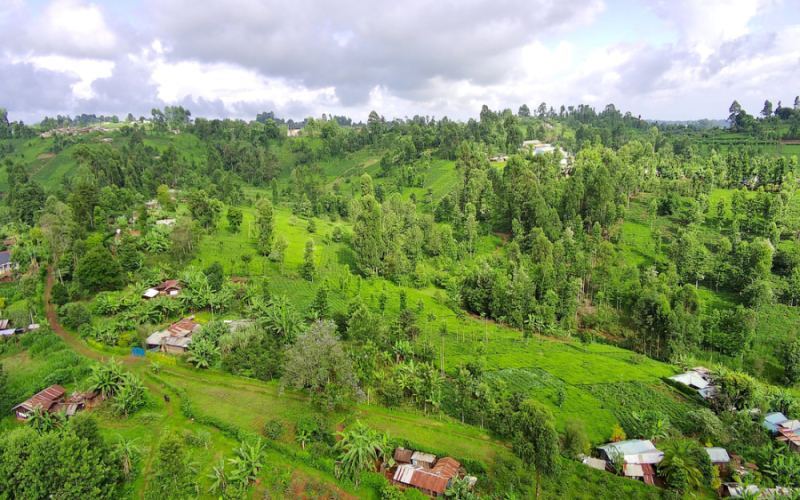
Kenyan coffee, with its distinct berry-like acidity and solid body, has always held an irreplaceable position in the specialty coffee world. This article begins with Kenya's geography, climate, and producing regions, traces the origins of classic varieties such as SL28 and SL34, explains the K72 washed processing method and the practice of grading by bean size, and then moves on to the actual brewing stage. Using the light-roasted Front Street Kenya Asalia as an example, it shares specific approaches to grind size, 93°C water temperature, a 1:16 coffee-to-water ratio, and staged pouring, helping coffee enthusiasts consistently bring out a sweet aroma reminiscent of cherry tomatoes and a bright acidity like smoked plums. [more…]

How Much Pressure Should You Use When Tamping Espresso? An Analysis of How Distribution and Tamping Affect Extraction Consistency
Making a proper espresso seems simple when it comes to tamping, yet it is a key step that affects extraction evenness and consistency in the cup. A flow that is too fast often indicates the tamp was too light, while a flow that is too slow may mean the tamp was too heavy—both directly alter the flavor trajectory of the coffee. Drawing on Front Street Coffee’s hands-on experience, this article outlines the core purpose of tamping, the difference between distribution and tamping, whether a distribution tool is essential, and details such as tamper selection, tamping posture, and pressure control. It also incorporates a comparative experiment with Front Street Coffee’s Sunflower Warm Sun blend to help coffee enthusiasts understand how standardized technique can reduce channeling and make espresso extraction more consistent. [more…]
Front Street Coffee Bean Hunt: Exploring the Rare Pink Bourbon of Finca El Paraiso in Cauca, Colombia
In Cauca Province in southwestern Colombia, there is an estate called Paraiso, where a rather rare coffee variety is grown—Pink Bourbon. It is a cross between Red Bourbon and Yellow Bourbon. When the coffee cherries ripen, they take on a romantic pink color, but maintaining this color consistently is extremely difficult. Front Street Coffee has now gone deep into the Cauca producing region to bring this special report on a washed Pink Bourbon, breaking it down one by one, from the terroir of the producing region and the estate’s background to green bean characteristics, roasting curves, and cupping flavors. If you are interested in the diverse flavors of pour-over coffee, this bean—with notes of peach, plum, grapefruit, and a lingering tea-like floral aroma—may become your next choice to try. [more…]
Why Does Blue Mountain Coffee Insist on Washed Processing? The All-Washed Craft and Flavor Secrets of Front Street Coffee's R.S.W Estate
The reason Blue Mountain coffee enjoys a global reputation is inseparable from its consistently applied processing method. From the very beginning of cultivating Blue Mountain coffee, Jamaicans have insisted on the fully washed process, refusing to use other methods to process the coffee cherries, which gives Blue Mountain coffee its refined and smooth sensory characteristics. As the main consumer market for Blue Mountain coffee, Japan values not its illustrious reputation, but rather its low bitterness, rich aroma, and low acidity, which happen to align with Japanese people's sensory preferences for coffee. Front Street Jamaica Blue Mountain R.S.W No.1 comes from one of the estates at the highest altitude in the Blue Mountain legally designated growing region, and its refined washed processing and sun-drying techniques achieve a rich and full coffee flavor. This article will provide an in-depth analysis of the washed processing flow for Blue Mountain coffee, and how R.S.W Estate uses traditional craftsmanship to create top-quality Blue Mountain coffee with consistent quality. [more…]
Why does Rwandan coffee consistently rank among the world's finest? A full analysis of the Nanshike region's flavors, washed processing, and Red Bourbon variety
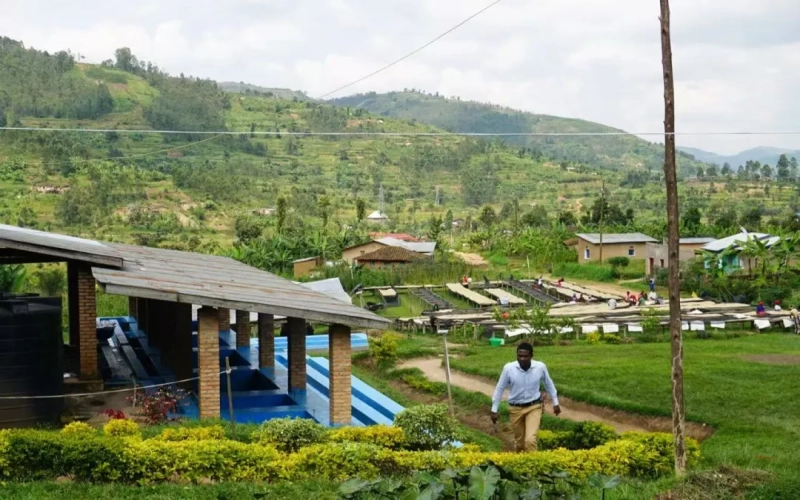
Although Rwanda is a small landlocked country in Africa, it nurtures world-class coffee thanks to the high altitude, volcanic soil, and abundant water systems of the "Land of a Thousand Hills." This article systematically examines the unique characteristics of Rwandan coffee, from the country overview, variety structure, and production processing to flavor expression: why Red Bourbon accounts for over ninety percent, why washed processing has become mainstream, and how the southern and western producing regions influence the terroir in the cup. At the same time, combined with the Rwanda Washed Red Bourbon selected by Front Street Coffee, it presents the berry, apple, green tea, and apricot notes of the Nanshike producing area, helping coffee enthusiasts understand the grade and charm of Rwandan coffee. [more…]

Drip Bag Coffee Buying Guide: Recommendations for Five Flavor Categories of Single-Origin Coffee and Detailed Standard Brewing Steps
Drip bag coffee was first patented in 1990 by Japan's Yamanaka Sangyo Co., Ltd., which adapted the tea bag concept to coffee. Today, with the rise of the specialty coffee wave, this convenient yet quality-preserving brewing method is favored by more and more enthusiasts. This article selects five of the best-selling single-origin drip bag coffees, covering different flavor profiles such as tea-like, floral, fruity, fermented, balanced, and high-body. It also includes Front Street Coffee's quality control details in grinding and packaging, as well as standard operation diagrams from blooming to pouring completion, helping you consistently brew a good cup of coffee at home. [more…]

Colombian pour-over coffee flavor characteristics and origin variety analysis, with brewing suggestions for four Front Street Coffee beans
Colombian coffee is known for its diverse styles, offering both consistent commercial flavors and the pleasant surprises of small-lot specialty beans. Since the volcanic eruption in the southern Huila Province in 2008, coffee from this region has frequently won awards in international competitions, gradually establishing its image as specialty coffee. Volcanic soil is rich in elements such as iron, calcium, magnesium, potassium, and phosphorus, providing ample nutrients for the plants and serving as an important foundation for the formation of delicate flavors. This article will systematically examine the characteristics of Colombian pour-over coffee from the perspectives of varieties, origins, processing methods, and brewing parameters, and introduce the four Colombian specialty beans currently sold by Front Street Coffee along with their flavor performance. Finally, it will provide the pour-over procedure for medium-roast Colombian coffee for coffee enthusiasts' reference. [more…]
A Complete Analysis of Sidamo Coffee Beans' Aroma and Taste: An Introduction to Pour-Over Flavor, Acidity, and Regional Characteristics
In Ethiopia, besides Yirgacheffe, the Sidamo region also produces highly representative specialty coffee. In this article, Front Street Coffee takes you deeper into Sidamo's geographical environment, flavor characteristics, and the aromatic differences brought by washed and natural processing. At the same time, it compares the pour-over performance of two light-roast natural Sidamos from Front Street—Arsi and Huakui 5.0—analyzing everything from parameters to flavor layers, helping coffee lovers more clearly understand this region's unique charm and acidity. [more…]